Source Removable Bowls Bread Proofer for Bakery Use
Compare 30 models of removable bowls bread proofer designed for efficient dough fermentation in commercial bakeries. These units offer customizable tray capacities and precise humidity control to support high productivity for bread, pizza, and cake production; compare the available evidence and request quotations based on your requirements.
Key considerations
Products List










Comprehensive Sourcing Guide
Removable Bowls Bread Proofer Sourcing Guide
Procuring a bread proofer with removable bowls requires careful evaluation of capacity, humidity control, and material durability. The supplied data indicates a market range of 16 to 600,000 USD, with minimum order quantities (MOQs) spanning from 1 to 500 units. Buyers must distinguish between small-scale bakery equipment and large industrial fermenting chambers, as the term "removable bowls" may refer to individual proofing baskets or modular tray systems. The observed listings highlight brands like XY Best, with models such as K1191-1 and YH-16C, suggesting a focus on electric-powered units designed for high productivity in commercial settings.
Technical verification is critical, as specifications vary significantly across suppliers. Observed data points to power sources of 220V with power ratings of 1.9kW to 2.6kW, and temperature ranges from 0-50°C or -3~40°C. Humidity control is a key differentiator, with some units offering 0-99% RH and others specifying 80-85%. Buyers should verify if the "removable" aspect refers to stainless steel trays (400600mm or 500700mm) or actual bowl structures, as the latter is less common in industrial proofer listings. Understanding these distinctions ensures alignment with specific production needs, whether for bread, pizza, cake, or biscuit dough fermentation.
Product Scope and Observed Listing Signals
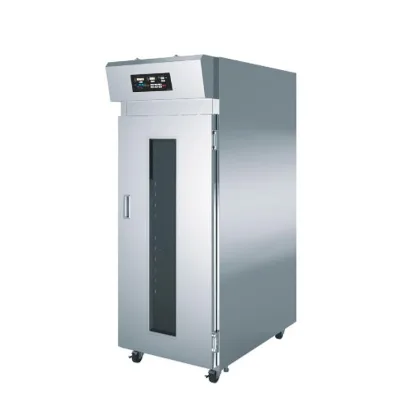
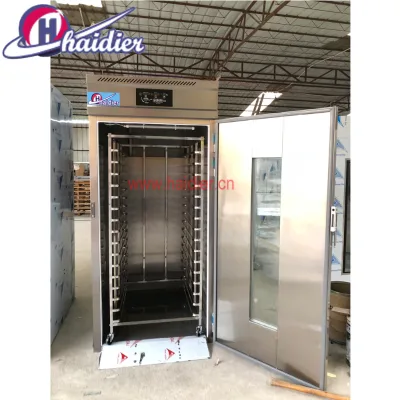
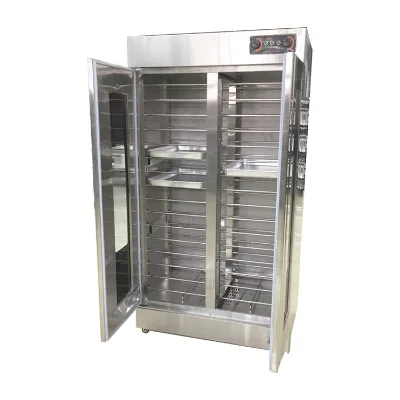
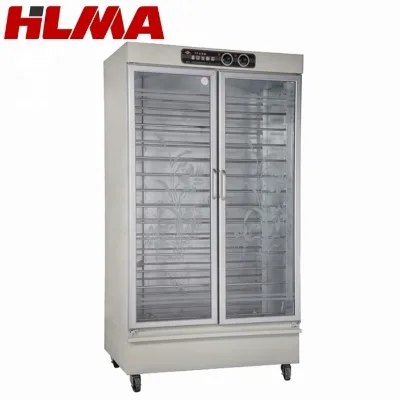
The product scope encompasses electric dough proofing machines designed for snack food factories and bakeries. Listings indicate a focus on high productivity, with capacities ranging from 16 to 640 trays or racks. The term "removable bowls" likely correlates with the modular tray systems observed, such as 16-tray or 18-pan configurations, which allow for easy loading and unloading of dough. These units are typically constructed from stainless steel, ensuring hygiene and durability in high-traffic commercial environments. The observed product names, such as "18 Pans Electric Proofer," suggest a standardized industrial design rather than a consumer-grade appliance with literal bowl components.
Buyers should note the variability in pocket numbers, which range from 88 to 640 pieces, indicating different internal configurations for proofing. The presence of timing devices is inconsistent, with some units listed as "Without Timing Device," requiring manual control or external integration. This variability impacts workflow efficiency, as automated timing can streamline the proofing process. Additionally, the observed dimensions, such as 62011952095mm or 5007001880mm, highlight the need for adequate floor space and ceiling height in the production facility. Understanding these physical constraints is essential for successful integration into existing bakery layouts.
Technical Specifications to Verify
Temperature and humidity control are the most critical technical specifications for any bread proofer. Buyers must verify the exact temperature range, as observed data shows variations from 0-50°C to -3~40°C, which may include cooling functions. Humidity control is equally important, with some units offering 0-99% RH for precise dough hydration management, while others are limited to 80-85%. These parameters directly affect dough fermentation quality, crust formation, and final product texture. Buyers should request detailed performance curves or test data to confirm that the unit maintains stable conditions under varying load conditions, ensuring consistent results across different dough types.
Power requirements and physical dimensions must also be rigorously checked. Observed power ratings of 1.9kW to 2.6kW at 220V suggest significant electrical infrastructure needs. Buyers should confirm voltage compatibility with their local grid and assess the power consumption per tray to estimate operational costs. Physical dimensions, such as 520530830mm or 62011952095mm, impact installation planning. Additionally, the weight of approximately 120kg indicates the need for proper flooring support. Verifying these specifications prevents costly retrofitting or operational inefficiencies, ensuring the proofer integrates seamlessly into the production line.
Compliance and Safety Documentation
Safety and compliance documentation are non-negotiable for industrial food processing equipment. Buyers should request certificates of conformity, particularly CE marking, which is mentioned in the background data as a low-confidence fact. This certification ensures the equipment meets European safety, health, and environmental protection standards, which is crucial for export markets. Additionally, electrical safety certifications, such as UL or CSA for North American markets, may be required depending on the destination. Buyers must verify that the voltage and frequency ratings match local standards to prevent electrical hazards and ensure reliable operation.
Hygiene and material safety are equally important. The observed use of stainless steel suggests compliance with food-grade material standards, but buyers should request material certificates to confirm the grade of steel used. This ensures resistance to corrosion and ease of cleaning, which are vital for maintaining sanitary conditions in a bakery environment. Furthermore, documentation regarding noise levels and thermal insulation can impact worker safety and comfort. Buyers should also inquire about the availability of user manuals and maintenance guides in their local language, ensuring that operational staff can safely and effectively use the equipment.
Cost Drivers and Commercial Terms
The cost of a bread proofer is driven by capacity, material quality, and control system sophistication. Observed prices range from 16 to 600,000 USD, reflecting a wide spectrum from small-scale units to large industrial systems. Capacity, measured in trays or pockets, is a primary cost factor, with higher capacities commanding premium prices. Material quality, particularly the grade of stainless steel, also influences cost, as higher-grade materials offer better durability and hygiene. Buyers should evaluate the total cost of ownership, including energy consumption, maintenance, and potential downtime, rather than focusing solely on the initial purchase price.
Commercial terms, including MOQ and lead times, vary significantly across suppliers. Observed MOQs range from 1 to 500 units, allowing for flexibility in order size. However, buyers should negotiate favorable terms for bulk purchases, such as discounts or extended warranties. Lead times are not explicitly provided in the data, so buyers must request this information to plan production schedules effectively. Additionally, payment terms, shipping costs, and insurance should be clearly defined in the contract. Understanding these commercial dynamics helps buyers optimize their procurement strategy and manage cash flow efficiently.
Supplier Qualification and Quality Control
Supplier qualification is essential to ensure the reliability and quality of the bread proofer. Buyers should verify the supplier's manufacturing capabilities, including their production capacity, quality control processes, and after-sales service support. The observed data mentions "Overseas third-party support available," which is a valuable feature for international buyers. Buyers should also check the supplier's experience in the bakery equipment industry, as this indicates their understanding of specific product requirements and challenges. Requesting references or case studies from existing customers can provide insights into the supplier's performance and reliability.
Quality control measures should be rigorously assessed before placing an order. Buyers should request factory audit reports or third-party inspection results to verify the supplier's adherence to quality standards. Additionally, buyers should specify acceptance criteria for the proofer, including performance tests for temperature and humidity control, electrical safety, and material durability. Implementing a pre-shipment inspection can help identify and rectify any defects before the equipment is shipped. Establishing a clear communication channel with the supplier for technical support and troubleshooting is also crucial for long-term operational success.
Long-Term Procurement Checks
Long-term procurement success depends on continuous monitoring of supplier performance and product reliability. Buyers should establish key performance indicators (KPIs) for the proofer, such as uptime, energy efficiency, and maintenance frequency. Regularly reviewing these metrics helps identify potential issues early and ensures the equipment meets operational expectations. Additionally, buyers should maintain a close relationship with the supplier for ongoing support, including spare parts availability and technical updates. This proactive approach minimizes downtime and extends the lifespan of the equipment.
Feedback loops with end-users, such as bakery staff, are also critical for long-term improvement. Buyers should gather feedback on the proofer's ease of use, cleaning requirements, and overall performance. This information can be used to refine future procurement decisions and negotiate better terms with suppliers. Furthermore, staying informed about industry trends and technological advancements in bread proofing can help buyers make informed decisions about upgrades or replacements. By continuously evaluating and optimizing their procurement strategy, buyers can ensure they remain competitive and efficient in the bakery industry.
FAQs
What is the temperature range for this bread proofer?
The temperature range spans from 0 to 50 degrees Celsius for general proofing. Some models support a performance temperature between minus 3 and 40 degrees Celsius. This ensures optimal dough fermentation conditions for various bakery products like bread and pizza.
How many trays can the proofer hold?
Capacity options include 16 trays, 32 trays, or configurations with 2 racks. Specific models feature 18 pans or 16 trays, while others support 88, 152, or up to 640 pieces. Customized capacity is also available to meet specific production needs.
Can the proofer be customized for specific needs?
Customization is available for certain models to adjust capacity or dimensions. However, some listed units are non-customized standard items. Buyers should verify the specific model requirements before ordering to ensure the machine fits their production line specifications.
What is the humidity control capability of the machine?
The device maintains humidity levels between 0 and 99 percent relative humidity. Specific operational settings often target 80 to 85 percent humidity for ideal dough proofing. This precise control helps achieve consistent fermentation results for bakery applications.
Which material is used to construct the proofer?
The main body is constructed from stainless steel for durability and hygiene. This material ensures the machine withstands frequent use in snack food factories and bakeries. The sturdy build supports long-term operation while maintaining food safety standards during the proofing process.
What is the warranty period for this equipment?
The standard warranty period provided is one year for the machinery. Overseas third-party support is also available for after-sales service. This ensures buyers receive necessary assistance and maintenance guidance throughout the operational life of the proofer unit.
How long does the proofing process typically take?
The proofing time is approximately 15 minutes for efficient dough fermentation. This rapid cycle supports high productivity in commercial bakery settings. The timing device may be absent in some models, requiring manual monitoring for optimal results.